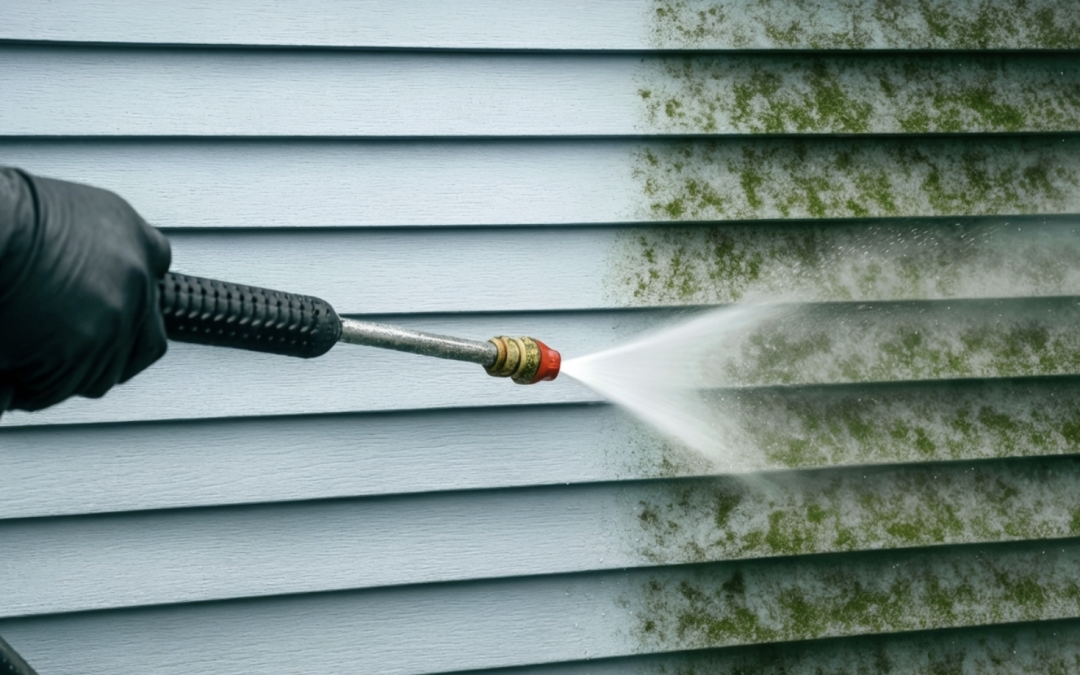
If your home’s starting to look a little green around the edges, algae is probably to blame. It’s one of the most common and frustrating exterior issues homeowners deal with, especially in humid or shaded areas. Those green streaks creeping across your siding might seem harmless at first, but ignoring them can lead to long-term staining, moisture problems, and a serious hit to your curb appeal.
So, how should you clean algae off your siding without damaging it or creating bigger problems down the road? Let’s break it all down in a clear, safe, and practical way.
Why Algae Grows on Siding (And Why It’s a Problem)
Algae thrives in damp, shaded environments—making your home’s exterior prime real estate. North-facing walls, areas near trees, and spots with poor airflow are especially vulnerable.
You’ll usually notice:
- Green or dark streaks on vinyl siding
- Slimy patches after rain
- Discoloration that keeps spreading over time
While algae isn’t immediately destructive like mold, it traps moisture against your siding. Over time, that moisture can contribute to:
- Permanent staining
- Mildew growth
- Warping or loosening panels
- Premature aging of siding materials
And let’s be honest—it also makes your home look older and poorly maintained, which isn’t ideal if you care about appearance or resale value.
The Biggest Mistake Homeowners Make When Cleaning Algae
Here’s the trap many people fall into: pressure washing.
Sure, blasting algae off with high pressure feels satisfying—but it’s risky. High-pressure water can:
- Crack or loosen siding panels
- Force water behind the siding
- Damage protective coatings
- Void manufacturer warranties
In short, pressure washing often causes more harm than good when it comes to algae on siding.
The Safe & Effective Way to Clean Algae Off Siding
The safest method is soft washing—a low-pressure cleaning process that uses specially formulated solutions to kill algae at its root instead of just knocking it off the surface.
How Soft Washing Works
Here’s how professionals typically clean algae off siding safely:
Step 1: Gentle Pre-Rinse
Loose dirt and debris are rinsed away using low-pressure water.
Step 2: Apply an Algae-Specific Cleaning Solution
A biodegradable solution is applied to break down algae, mildew, and organic growth without harming siding materials.
Step 3: Dwell Time
The solution sits for 10–15 minutes, allowing it to kill algae spores at the source.
Step 4: Soft Rinse
Everything is rinsed clean using gentle pressure—no damage, no forced moisture.
Step 5: Final Inspection & Touch-Ups
Stubborn spots are treated again if needed to ensure a uniform, clean finish.
This method works safely on vinyl, composite, fiber cement, and painted siding.
DIY vs Professional Algae Cleaning: What’s Better?
You can attempt to clean algae yourself—but there are limitations.
DIY Cleaning Pros
- Lower upfront cost
- Suitable for small, reachable areas
DIY Cleaning Cons
- Risk of using harsh chemicals
- Ladder safety concerns
- Inconsistent results
- Algae often returns quickly
Professional exterior cleaners have:
- Proper soft-wash equipment
- Commercial-grade solutions
- Safety training for heights
- Experience identifying siding materials
If your home has multiple stories or widespread algae growth, hiring a professional is usually the safer—and more effective—option.
How to Prevent Algae From Coming Back
Once your siding is clean, prevention is the name of the game. A few small habits can go a long way.
Smart Algae Prevention Tips
- Trim trees and shrubs to improve sunlight
- Clean gutters regularly to prevent overflow
- Rinse siding lightly once or twice a year
- Improve airflow around shaded areas
- Schedule annual professional soft washing
Prevention not only keeps algae away—it also extends the life of your siding.
Frequently Asked Questions
Can algae damage vinyl siding?
Yes. While algae doesn’t eat vinyl, it traps moisture that can lead to staining, mildew, and long-term material wear.
Is bleach safe for cleaning siding?
Straight bleach can discolor siding and damage landscaping. Professional-grade, diluted solutions are much safer and more effective.
How often should siding be cleaned?
Most homes benefit from siding cleaning every 12–18 months, depending on climate and shade.
Can algae come back after cleaning?
Yes, but proper soft washing and preventative maintenance significantly slow regrowth.
Is pressure washing ever okay for siding?
Only at very low pressure—and even then, soft washing is almost always the better choice.
Trusted Resources for Homeowners
- EPA Guidance on Mold & Moisture: https://www.epa.gov/mold
- Vinyl Siding Institute Care Tips: https://www.vinylsiding.org
Next Steps: Keep Your Home Looking Its Best
Ready to say goodbye to that green grime for good? Learn more about our Exterior Home Cleaning, get your roof looking like new with our Roof Cleaning, tackle your deck with our Deck & Fence Cleaning, or book a soft wash appointment now on our Schedule Your Appointment page.